
Industry Insurance Guides · July 16, 2026
How to Start a Plumbing Business: Your Guide
Launch your plumbing business with this guide. Learn about licensing, service models, and essential insurance coverage. Get quote-ready for commercial insurance.

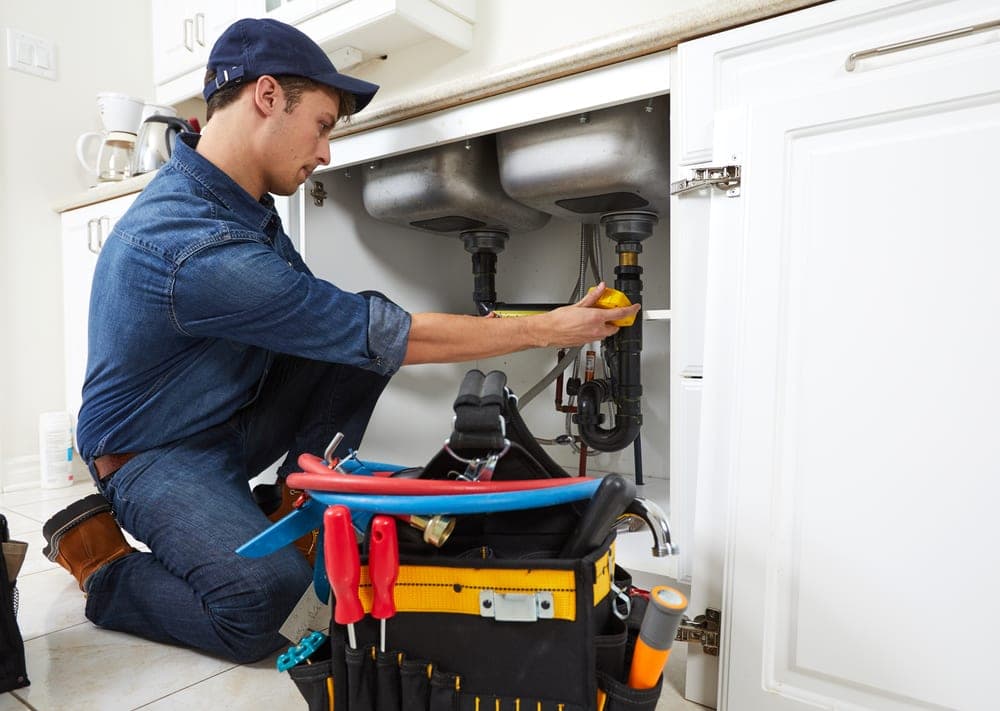
Starting a plumbing business requires careful planning. You need to secure proper licenses and permits first. Define your core services and target customers early on. This clarity helps you build a strong business foundation. Crucially, understand the insurance you need to protect your new venture. This includes general liability, commercial auto, and workers' compensation. Preparing these elements ensures you are ready for your first customers. It also helps you secure the right commercial insurance. This guide walks you through the essential steps. It helps you launch and run a successful plumbing business.
How to Start a Plumbing Business Successfully?
Launching a plumbing business involves more than just skill. It requires strategic decisions from day one. Your first step is to define your service model. Will you focus on residential repairs, commercial maintenance, or new construction? This choice impacts your licensing, equipment, and insurance needs.
Next, research and secure all necessary licenses and permits. State and local regulations vary widely. Check with your state's licensing board and local city or county offices. This ensures legal operation and builds customer trust. Consider business structure (sole proprietor, LLC, etc.) and register your business name. Obtain an Employer Identification Number (EIN) from the IRS. This is vital for taxes and hiring.
Essential Startup Checklist for Plumbers
Gathering key information early simplifies your launch.
- Business Plan: Outline services, market, and financial projections.
- Legal Structure: Choose and register your business entity.
- Licenses & Permits: Confirm state and local plumbing licenses. Secure all required operating permits.
- EIN: Obtain your federal tax ID.
- Banking: Open a dedicated business bank account.
- Tools & Equipment: List essential tools and specialized gear.
- Vehicle: Plan for a service vehicle.
- Initial Funding: Secure startup capital.
- Insurance: Research and budget for necessary coverage.
How to Run a Plumbing Business Efficiently?
Once launched, efficient operations are key to growth. Develop clear workflows for every job. From initial customer contact to invoicing, consistency matters. This helps manage customer expectations and ensures quality service. Track your time, materials, and expenses meticulously. Accurate record-keeping is crucial for pricing jobs correctly. It also supports financial planning and tax preparation.
Customer satisfaction drives repeat business and referrals. Implement a system for feedback. Address any issues promptly and professionally. Consider using scheduling and invoicing software. These tools can streamline administrative tasks. They free up your time for plumbing work and business development.
Key Operational Considerations
Focus on these areas to build a strong operational foundation.
- Service Workflow: Create a step-by-step process for every job type.
- Pricing Strategy: Base prices on actual costs, including labor, materials, and overhead.
- Record Keeping: Maintain detailed records of jobs, expenses, and customer interactions.
- Customer Agreements: Use written contracts for all work. Clearly define scope, cost, and payment terms.
- Safety Protocols: Establish and enforce safety procedures for all work sites.
- Marketing: Develop a plan to attract and retain customers.
What Insurance Does a Plumbing Business Need?
Protecting your plumbing business from risks is essential. The right commercial insurance coverage safeguards your assets and reputation. It also meets client and regulatory requirements. A comprehensive plumbing business insurance package typically includes several key policies.
- General Liability Insurance: This is often the first policy a plumbing contractor needs. It covers claims of third-party bodily injury or property damage. For example, if a pipe bursts during a repair and damages a client's floor, general liability can help. It also covers advertising injury and reputational harm. Many clients, landlords, and general contractors require proof of general liability before you can work.
- Commercial Auto Insurance: If you use vehicles for business, you need this. It covers accidents involving your work vans or trucks. This includes damage to your vehicle, other vehicles, and injuries to others. Standard personal auto policies usually exclude business use.
- Workers' Compensation Insurance: If you have employees, this is often legally required. It covers medical costs and lost wages for employees injured on the job.
- Tools and Equipment Insurance: Your specialized tools are valuable. This policy protects against theft, damage, or loss of your equipment. This includes drain snakes, cameras, and hand tools.
- Commercial Property Insurance: If you own or lease an office or shop, this covers the building and its contents.
Understanding General Liability for Plumbers
General liability insurance is a cornerstone for plumbers. It protects against common risks. For instance, if a customer slips and falls on water from your work, this policy can respond. It also covers damage to a client's property caused by your operations. This includes completed operations, meaning damage that occurs after the job is finished. The Insurance Information Institute (III) provides more context on commercial general liability insurance. Always discuss specific coverage details with a licensed agent. Ask about limits, deductibles, and any exclusions.
How Can a Plumbing Contractor Compare Commercial Insurance Quotes?
Comparing commercial insurance quotes requires a clear understanding of your business. Start by gathering detailed information about your operations. This includes your services, revenue, payroll, and vehicle list. Be ready to discuss your safety practices and any prior claims history.
When comparing quotes, look beyond just the premium.
- Coverage Limits: Ensure the limits meet your needs and any contractual requirements.
- Deductibles: Understand how much you pay out-of-pocket before coverage kicks in.
- Exclusions: Know what the policy does not cover.
- Endorsements: Check for specific additions that tailor coverage to plumbing risks. For example, coverage for water damage from completed operations is crucial.
- Carrier Reputation: Research the financial strength and claims service of the insurance provider.
Ask your agent specific questions. For example, "What should general liability insurance cover for a plumbing contractor?" or "Does this policy cover water damage from a faulty repair after I leave the site?" A licensed agent can help you navigate these complexities. They can explain how different policies interact. They can also help you compare options from various carriers. This ensures you adequately protect your business.
Preparing for Your Plumbing Business Insurance Quote
Getting an accurate and competitive insurance quote depends on the information you provide. Being prepared saves time and ensures you get the right coverage.
Here is a checklist of documents and details to have ready:
- Business Information: Legal name, entity type, EIN, years in business.
- Owner Details: Names, experience, and any relevant licenses.
- Services Offered: A clear list of all plumbing services you provide. Note any specialized work like sewer repair or gas line installation.
- Revenue & Payroll: Projected annual revenue and total payroll for employees.
- Employee Details: Number of employees, their roles, and experience.
- Subcontractors: If you use them, how often and their insurance requirements.
- Vehicle Schedule: List of all business vehicles, including make, model, VIN, and drivers.
- Equipment List: Value of your tools and mobile equipment.
- Property Details: If you have a physical location, its address, size, and construction type.
- Contractual Requirements: Any specific insurance limits or endorsements required by clients or landlords. Review our Client Contract Insurance Requirements and Certificate of Insurance Small Business Guide for guidance.
- Prior Insurance & Claims: History of previous insurance policies and any past claims.
Understanding these details helps your agent tailor a quote. It ensures you get coverage that matches your specific risks. For more context on what insurance a plumber needs, refer to our Plumber Insurance Guide and What insurance does a plumber need?. You can also explore Kinro Insurance Products and Kinro Industries for broader context.
Ready to secure the right insurance for your plumbing business? Gather your business details and contact a Kinro licensed agent today. We can help you compare commercial insurance quotes. Get a tailored quote that protects your hard work.
Related buyer questions
Operators may describe this problem with phrases like "Who offers the best business insurance for plumbers?". Treat those phrases as prompts for clearer intake, not as promises about coverage, savings, or binding outcomes. Ask an agent to review carrier terms before relying on an answer.
Where to compare next
For related SMB insurance context, compare this with commercial auto and tools and equipment. For a broader reference point, review California BOP lines of insurance reference.
Check your options
Before you rely on any coverage, confirm it suits your business with a licensed insurance professional.
Answer a few questions about your business. Eligible businesses can continue to an online application. Otherwise, a licensed Kinro agent follows up with next steps.
Educational information, not a coverage determination. Examples are hypothetical. Policy wording, exclusions and underwriting decide whether coverage applies.