
Industry Insurance Guides · November 5, 2026
Cleaning business risks: a practical review before your next job
Watch ZenMaid's Filthy Rich Cleaners episode 16, then use a practical checklist to review cleaning operations, client contracts and insurance questions.
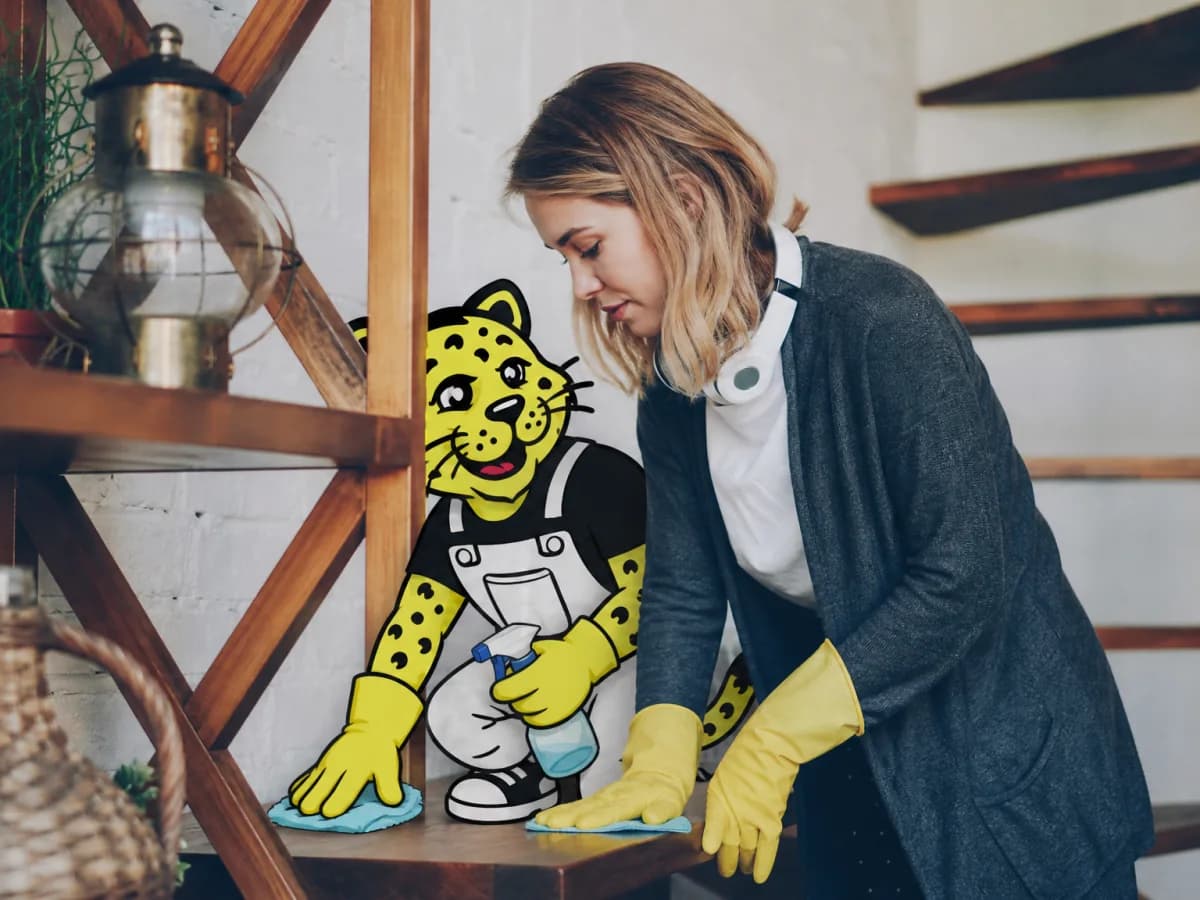
A cleaning company can change faster than its paperwork. A new commercial client, a second crew or a service added to the booking form can introduce responsibilities that were absent when the business first bought insurance. A short review before those changes go live gives an owner a chance to ask specific questions.
Watch: an operator's perspective on business risk
In episode 16 of ZenMaid's Filthy Rich Cleaners, Stephanie Pipkin of Serene Clean discusses gaps she discovered as her business grew, work-related driving, workers' compensation audits and workplace safety. Her experience offers a starting point for a review; it does not determine another business's coverage or legal obligations.
Video and podcast: ZenMaid, featuring Stephanie Pipkin. Read the original episode transcript. The checklist below is Kinro's practical extension of the discussion.
Start with the work your crews actually perform
Write down the services you sell and where crews perform them. Separate routine residential cleaning from office janitorial work, carpet extraction, exterior window work or other specialized services. Include work you do occasionally. A description that says only “cleaning” leaves too much room for misunderstanding.
Then compare that list with your insurance application and client contracts. If the business has changed, send the updated description to a licensed agent and ask whether the existing policies still fit. Keep a written record of the response and any policy changes.
Turn a client contract into a short action list
Before accepting a new contract, identify who must provide insurance documents, the requested limits, any additional-insured wording and the deadline. Send the actual requirements to your agent rather than paraphrasing them from memory. A certificate of insurance is evidence of coverage; it does not itself change the policy.
Keep the contract review separate from your operating instructions. Your crew needs clear guidance about keys, access codes, fragile surfaces, chemical approvals and reporting damage. Your agent needs the insurance requirements and an accurate picture of the work. An attorney can address contractual obligations that fall outside insurance advice.
Put ownership around the recurring checks
Use a simple review log with a responsible person and a next review date:
| Review item | Information to keep current | Question to resolve |
|---|---|---|
| Services and locations | Work descriptions and new client types | Does the insurance application still describe the business? |
| Staffing | Payroll estimates and employee roles | What changes should be reported to the insurer? |
| Driving | Who drives, whose vehicle and for what tasks | Which business-driving exposures need review? |
| Equipment | Values and where equipment is stored or transported | Where does property coverage apply? |
| Incidents | Dates, photos and factual accounts | What reporting steps does the policy require? |
This log is an organizing tool, not a substitute for safety procedures. If an incident occurs, follow the policy's reporting instructions and obtain appropriate assistance; do not wait for a scheduled review.
Insurance questions to bring to Kinro
General liability is a starting point for discussing third-party injury and property-damage exposures. It does not answer every question about damage to the item being cleaned, employee injury, theft or driving. Those situations deserve separate questions about the relevant policy, exclusions and available endorsements.
For example, ask your agent to walk through a customer injury, damage to an expensive surface and an employee driving between jobs. Request an explanation of what policy might respond, what facts matter and what gaps remain. Do not assume that a competitor's policy or a story in a podcast describes your protection.
The U.S. Small Business Administration's business insurance guidance recommends assessing risks and comparing policy terms with licensed agents. State requirements and individual policy wording need their own review.
Prepare your next coverage conversation
Gather your service list, operating locations, payroll and revenue estimates, current policies, claims history and client insurance requirements. Our business insurance quote checklist can help you organize the documents.
Ready to review insurance for your cleaning business? Start your Kinro quote request. Use the form below to describe your business and explore next steps with Kinro. Coverage and availability depend on the business, insurer and policy terms.
Check your options
Before you rely on any coverage, confirm it suits your business with a licensed insurance professional.
Answer a few questions about your business. Eligible businesses can continue to an online application. Otherwise, a licensed Kinro agent follows up with next steps.
Educational information, not a coverage determination. Examples are hypothetical. Policy wording, exclusions and underwriting decide whether coverage applies.