
Quote Prep · November 6, 2026
How Much Does Business Insurance Cost for a Salon?
Find out what drives salon business insurance costs, how common coverage options work for salons and barbershops, and what details you need for an accurate quote.

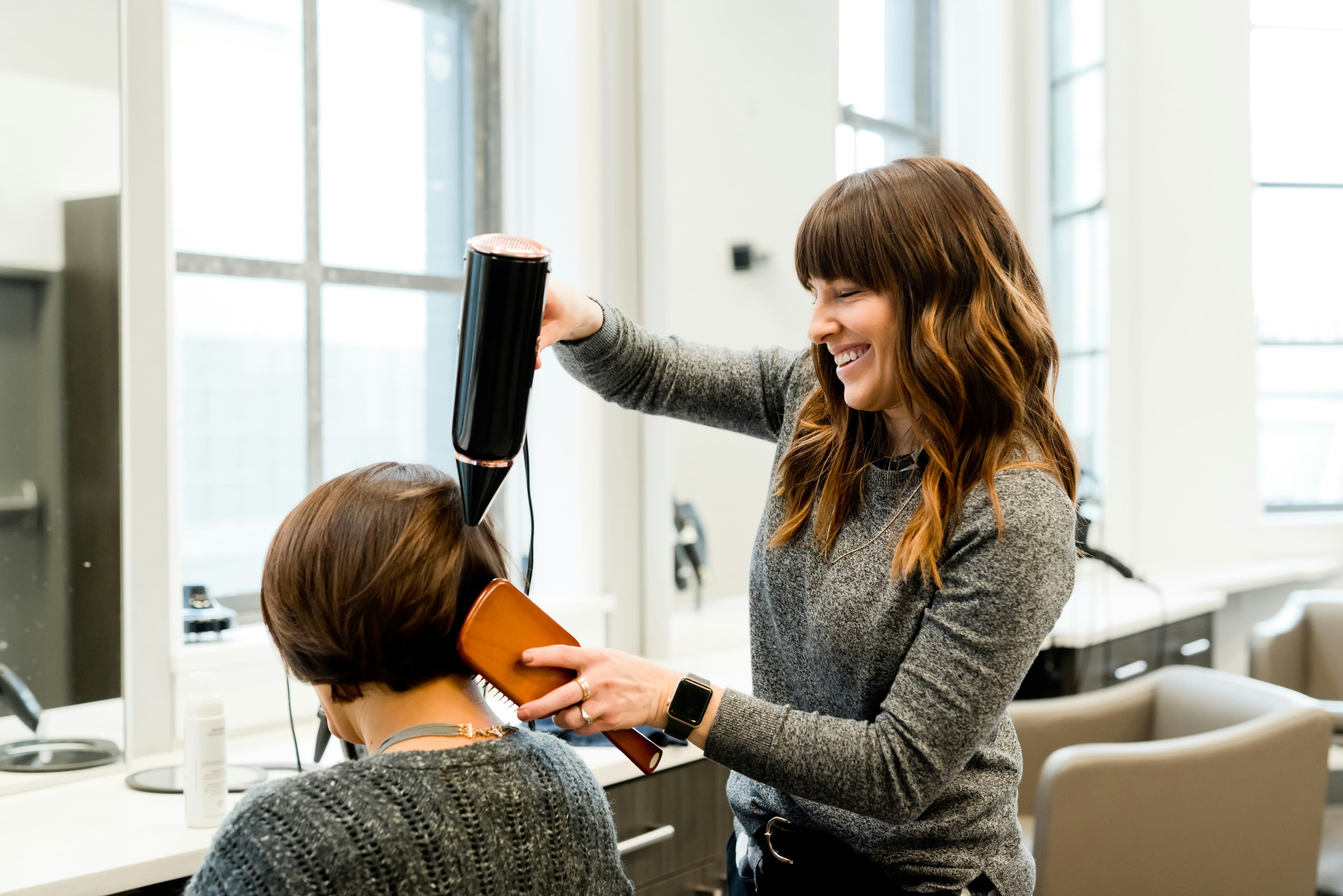
There is no single flat price for salon or barbershop business insurance. Instead, commercial insurance costs depend on the specific services your shop offers, your location, whether you rent a single chair or manage a multi-stylist storefront, your payroll size, and the coverage limits you choose.
A solo booth renter looking to satisfy a landlord's lease requirement will face a very different cost structure than a full-service hair and nail salon with ten employees, specialized chemical treatments, and high-value styling equipment. Because pricing is calculated based on your exact risk profile and carrier underwriting rules, the fastest way to know your actual cost is to gather your business details and request a custom commercial insurance quote.
Factors That Influence Salon and Barbershop Insurance Costs
When an insurance carrier calculates a quote for a salon or barbershop, they look at several operational details to measure potential risk:
- Scope of Services: Basic haircuts, blowouts, and beard trims generally carry different risk profiles than advanced chemical treatments, hair coloring, waxing, nail services, or esthetics. If a shop expands into medspa treatments, such as laser hair removal or microneedling, carriers often apply different underwriting rules and pricing tiers.
- Business Structure and Staffing: Are you an independent stylist renting a booth, an owner-operator with W-2 employees, or a landlord renting chairs to independent contractors? Your headcount and how your workers are classified directly impact your premium.
- Location and Property Value: Your commercial lease terms, the square footage of your shop, local building codes, and the replacement value of your styling chairs, wash stations, dryers, and retail inventory all affect property-related insurance costs.
- Revenue and Payroll: Carriers often use estimated annual gross sales and total payroll to gauge how busy your shop is and calculate rates for liability and employee-related policies.
- Claims History and Experience: How long you have been in business, your professional licensing status, and whether your shop has had prior insurance claims will also factor into the final quote.
- Coverage Limits and Deductibles: Choosing higher policy limits, sometimes required by a commercial landlord, or selecting a lower deductible will typically increase the cost of a policy.
Common Coverage Options That Make Up Your Total Cost
Your total insurance cost also depends on which policies you decide to purchase. You can explore Kinro Insurance Products to see how different policies are structured for small businesses. Depending on your operations, you and a licensed agent might review the following coverage options:
General Liability Insurance
General liability is designed to address third-party bodily injury and property damage claims arising from your everyday premises and operations. For example, if a client slips on a wet floor near the shampoo bowls, general liability is the policy typically reviewed for that type of incident. Many commercial landlords require tenants to show proof of general liability coverage on a Certificate of Insurance (COI) before handing over the keys.
Professional Liability Insurance
Also known as errors and omissions (E&O) coverage, professional liability is designed for claims tied to the actual beauty, barbering, or styling services you perform. Standard general liability policies often exclude injuries or damages resulting from professional services. If a client alleges that a hair dye formula caused a severe scalp reaction or a barbering service resulted in an accidental cut, professional liability is the coverage built to respond to those service-related claims, subject to policy terms and carrier rules.
Business Owner’s Policy (BOP)
A Business Owner’s Policy combines general liability insurance and commercial property insurance into a single package. For salon owners who lease a storefront or own their building, the property portion of a BOP is designed to help repair or replace business personal property, like styling stations, mirrors, point-of-sale systems, and retail hair care products, after covered events such as a fire or certain types of water damage. Because a BOP bundles coverages together, it is often priced differently than buying general liability and property policies separately. Note that a standard BOP may not automatically include professional liability, so you will want to ask a licensed agent if service-related coverage can be added by endorsement.
Workers’ Compensation Insurance
If your salon or barbershop has employees, state laws often dictate whether you must carry workers’ compensation insurance. This coverage is designed to help pay for medical care and lost wages if an employee is injured or becomes ill on the job, such as a stylist developing a repetitive strain injury or suffering a chemical burn while mixing color.
Checklist: What to Gather Before Requesting a Quote
To get an accurate price without back-and-forth delays, put together these basic facts before starting a quote conversation:
- Business basics: Your legal business name, physical address, and years in operation.
- Full menu of services: A complete list of treatments offered at your shop (e.g., hair cutting, coloring, straight-razor shaves, manicures, waxing, eyelash extensions).
- Staffing breakdown: The number of full-time and part-time W-2 employees, estimated annual payroll, and the number of independent booth renters working in your space.
- Revenue estimates: Your projected gross annual revenue from both services and retail product sales.
- Equipment and inventory value: A rough estimate of what it would cost to replace your salon furniture, tools, electronics, and stock of retail products.
- Lease requirements: The insurance section of your commercial lease or booth rental agreement so you can see required coverage limits and whether your landlord asks to be listed as an Additional Insured on your Certificate of Insurance.
Questions to Ask a Licensed Agent
Because every insurance carrier writes policy language differently, a cheap quote on paper might leave out coverage for the exact services you perform every day. When reviewing quotes with a licensed agent, consider asking:
- Does this quote include both general premises liability and professional liability for the specific styling and beauty services we offer?
- How does this policy treat independent contractors or booth renters working inside my shop, and do I need to collect Certificates of Insurance from them?
- Are chemical services, waxing, or straight-razor shaves explicitly covered under the professional liability terms, or are there exclusions I should review?
- Does this policy meet the exact limits and Additional Insured wording required by my commercial landlord?
Next Steps for Your Salon or Barbershop
Whether you are opening a new barbershop, renting your first styling chair, or comparing renewal options for an established salon, having your operational details ready makes the quoting process straightforward. Coverage outcomes and exact costs always depend on carrier underwriting rules and your specific policy terms.
To explore coverage options or start a quote-ready conversation with a licensed agent, visit the Kinro homepage or Contact Kinro today.
Check your options
Before you rely on any coverage, confirm it suits your business with a licensed insurance professional.
Answer a few questions about your business. Eligible businesses can continue to an online application. Otherwise, a licensed Kinro agent follows up with next steps.
Educational information, not a coverage determination. Examples are hypothetical. Policy wording, exclusions and underwriting decide whether coverage applies.